


Picture this: you’re cruising down the highway, wind in your hair, when suddenly your trusty steed starts to sputter and steam. Panic sets in as the temperature gauge climbs faster than your heart rate. What’s going on? Car overheating is like that unexpected guest who shows up at a party uninvited. It’s disruptive and often leaves a mess behind.
Understanding what causes a car to overheat is crucial for every driver. From coolant leaks to a faulty thermostat, these issues can turn a smooth ride into a hot mess. So buckle up as we dive into the common culprits behind this automotive drama. Knowing what to look for might just save your engine—and your sanity.
Understanding Car Overheating
Understanding the causes of car overheating helps drivers address problems before they escalate. Several factors contribute to this issue, requiring attention to keep vehicles running smoothly.
Common Symptoms
Common symptoms of overheating include a rising temperature gauge, steam from under the hood, and unusual noises. Drivers may notice a sweet smell from leaking coolant or experience a loss of power while driving. Ignoring these signs can lead to further damage. Checking the dashboard warning lights might reveal engine temperature indicators. Monitoring these symptoms regularly ensures a timely response.
Consequences of Overheating
Consequences of overheating can be severe, including engine damage and blown gaskets. Overheating leads to warped cylinder heads, resulting in costly repairs. Failure to address overheating can also affect the vehicle’s performance and reliability. More frequent breakdowns often occur with neglected engines. Long-term effects include reduced lifespan of the vehicle, making preventive measures essential. Taking action at the first sign of overheating protects the engine’s integrity and functionality.
Major Causes of Car Overheating
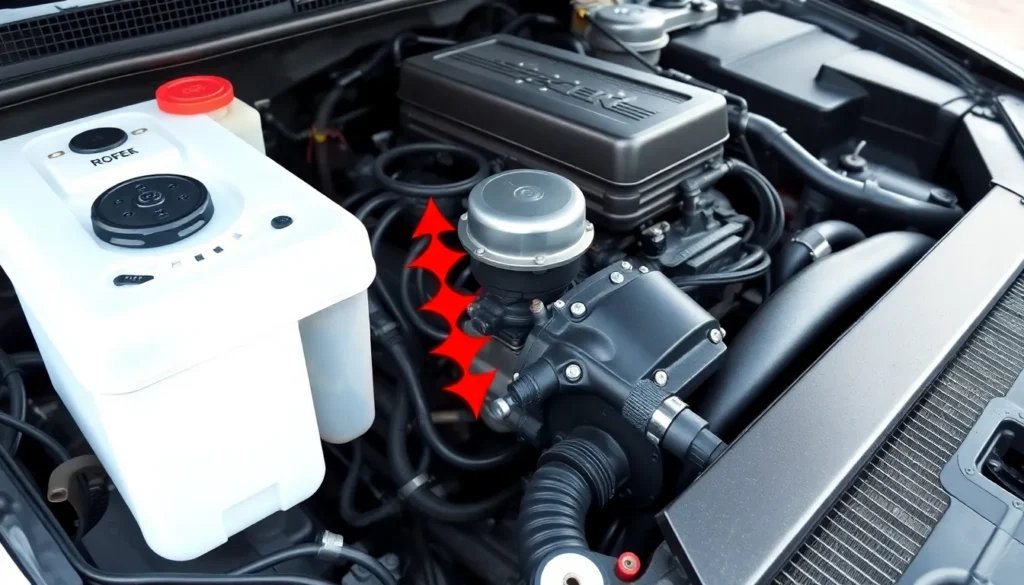
Understanding the major causes of car overheating helps drivers take proactive measures. Common issues include low coolant levels, thermostat failures, broken water pumps, and radiator problems.
Low Coolant Levels
Low coolant levels often trigger overheating issues. Coolant circulates through the engine, absorbing heat, and if levels drop, the engine overheats. Leaks, evaporation, or improper filling lead to this deficiency. Regularly checking coolant levels prevents overheating and maintains optimal engine function.
Failed Thermostat
A failed thermostat can block the flow of coolant. This device regulates coolant temperature and flow in the engine. If stuck closed, it traps heat, causing overheating. Routine checks ensure the thermostat is functioning properly and can help avoid engine damage.
Broken Water Pump
A broken water pump disrupts coolant circulation. This pump moves coolant through the engine and radiator. Without proper function, coolant can’t flow, leading to overheating. Signs of a failing water pump include unusual noises and coolant leaks. Early detection of these symptoms can save the engine from severe damage.
Radiator Issues
Radiator issues often contribute to overheating problems. Blockages or leaks can impair a radiator’s ability to dissipate heat. Blocked passages prevent the proper cooling of the engine. Regular maintenance, including flushing the radiator, ensures it operates efficiently and reduces overheating risk.
Preventive Measures
Preventing car overheating requires consistent attention and proactive steps. Following specific measures reduces the risk of significant engine issues.
Regular Maintenance
Conducting regular maintenance on a vehicle proves essential for preventing overheating. Scheduling oil changes and inspections keeps the engine running smoothly. Technicians should check the integrity of hoses, belts, and gaskets during routine visits. Faulty components can contribute to overheating. Furthermore, flushing the cooling system periodically removes debris and corrosion, ensuring optimal coolant flow. Staying vigilant about maintenance tasks enhances overall vehicle performance.
Checking Coolant Levels
Managing coolant levels remains crucial for avoiding overheating incidents. Regularly inspecting the coolant reservoir allows for early detection of leaks or low levels. Maintaining the coolant level within the recommended range ensures efficient heat transfer from the engine. Drivers should top off with the appropriate coolant type as needed. Observing the color and consistency of the coolant also helps identify issues. If the coolant appears contaminated, flushing the system can restore proper function.
Monitoring Temperature Gauge
Monitoring the temperature gauge serves as a vital aspect of vehicle ownership. Keeping an eye on the gauge during trips helps identify potential overheating early. A sudden spike in temperature signals an issue requiring immediate attention. Drivers should pull over immediately if the temperature reaches the warning zone. Regular awareness of temperature levels can prevent severe engine damage, enhancing both safety and vehicle longevity.
When to Seek Professional Help
Recognizing when to seek professional assistance with an overheating car is crucial for maintaining vehicle health. Early intervention can prevent serious repercussions.
Signs You Shouldn’t Ignore
Rising temperature gauges often signal overheating issues. Steam escaping from under the hood presents immediate concern, indicating possible coolant failure. Unusual noises, such as knocking or hissing, suggest internal problems that need attention. A sweet smell, often arising from leaking coolant, also requires prompt action. Lastly, if the vehicle loses power suddenly or struggles to perform, it’s time to consult a mechanic. Addressing these symptoms without delay can prevent costly damage.
Choosing a Mechanic
Select a mechanic with experience in engine overheating issues. Referrals from friends or online reviews provide insight into their reliability. Check for certifications or affiliations with automotive organizations, as these can indicate a professional standard. Inquire about their diagnostic processes to ensure they comprehensively identify problems. Lastly, prioritize a mechanic who encourages ongoing communication, offering guidance throughout the repair process. This approach fosters trust and ensures confidence in the services provided.
Understanding what causes a car to overheat is essential for any driver. By recognizing the symptoms and taking proactive steps, they can protect their vehicle from severe damage and costly repairs. Regular maintenance and timely inspections play a pivotal role in keeping the engine cool and functional.
When issues arise, knowing when to seek professional help can make all the difference. With vigilance and proper care, it’s possible to maintain a reliable vehicle that performs optimally on every journey. Staying informed empowers drivers to tackle overheating issues effectively and ensures peace of mind on the road.


