


Every morning, millions of word enthusiasts wake up to tackle the latest challenge from the New York Times Wordle puzzle. It’s not just a game; it’s a delightful ritual that transforms breakfast into a battle of wits. With just six guesses to uncover a five-letter word, players find themselves on a quest for glory, armed only with their vocabulary and a touch of luck.
Overview of New York Times Wordle Puzzle
The New York Times Wordle puzzle captivates word aficionados daily. Each day brings a new five-letter word challenge, encouraging players to employ vocabulary skills and strategic thinking. Players receive six attempts to guess the correct word, creating a thrilling race against time and logic.
With the right combination of letters, guesses reveal feedback on accuracy. Yellow letters signal incorrect placements, while green letters indicate a correct position. This feedback mechanism enhances the gaming experience, making every guess meaningful.
The game’s popularity stems from its simplicity yet demanding nature. Engaging with Wordle not only tests vocabulary but also fosters a sense of achievement. Many players share their results on social media platforms, sparking friendly competition and community interactions.
Wordle’s daily release maintains player interest and anticipation. Consistent gameplay helps sharpen linguistic abilities, even for seasoned wordsmiths. Minimal time investment allows anyone to participate, appealing to diverse demographics.
Dedicated fans often look for patterns or strategies to improve their guessing techniques. Solver strategies like starting with common vowels or consonants can enhance the likelihood of success.
Overall, the New York Times Wordle puzzle offers a captivating blend of challenge and entertainment, uniting enthusiasts around a shared love for words. The simple interface and interactive nature of the game contribute to its widespread appeal.
Gameplay Mechanics
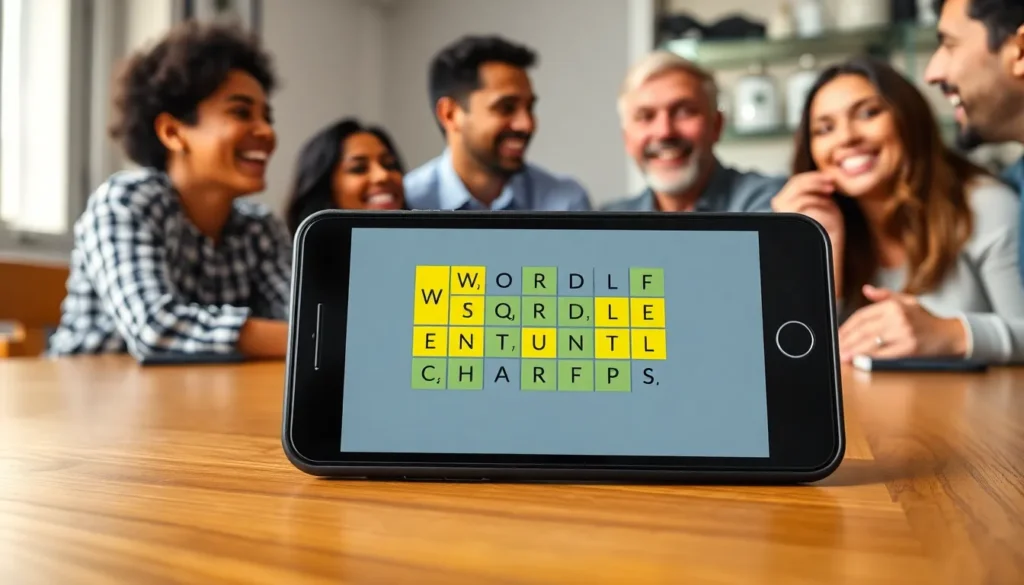
The New York Times Wordle puzzle engages players through its straightforward yet challenging gameplay mechanics. Players aim to guess a hidden five-letter word within six attempts.
Rules and Objectives
Each guess must consist of five letters. Feedback appears immediately after each entry. Green letters indicate correct letters in the correct positions, while yellow letters identify correct letters in incorrect placements. A gray color signifies that a letter is not part of the word at all. Players strive to deduce the hidden word efficiently, optimizing their guesses based on the feedback received. Achieving the objective of completing the puzzle successfully within the allotted attempts enhances the overall gaming experience.
Daily Challenges
Daily challenges introduce a unique word each day. Players encounter the same word, fostering a sense of community among them. Sharing results on social media promotes friendly competition, as players discuss their strategies and outcomes. This collective experience strengthens the game’s popularity. Regular engagement with these daily puzzles sharpens vocabulary skills while offering a consistent challenge. Anticipating the next word each day keeps players returning for more, increasing excitement and enhancing enjoyment.
Strategies for Success
Players seeking success in the New York Times Wordle puzzle can adopt specific strategies. Utilizing patterns in letter placement enhances guessing effectiveness.
Common Patterns
Certain letter combinations appear frequently in five-letter words. The letters “T,” “A,” “R,” and “E” often show up in many words, making them solid initial guesses. Vowels typically occupy second and fourth positions. Identifying common letter pairings, such as “TH” or “CH,” may offer additional insight into word construction. Players can also notice that many words end in “ED,” “ING,” or “LY,” assisting in narrowing down possibilities.
Tips for Increasing Your Chances
Prioritizing diverse letters during early guesses increases success rates. Select words that include a mix of vowels and consonants rather than repeating letters. Analyzing feedback from each guess provides critical information. Focusing on known letters, alongside their potential placements, sharpens subsequent guesses. Starting with a strong base word sets a solid foundation. Players might track successful words and patterns over time, refining their strategies with experience. Regular practice helps develop an intuitive sense for the game, ultimately leading to improved performance.
Community and Social Interaction
Engagement with the New York Times Wordle puzzle fosters a vibrant community through shared challenges and discussions.
Online Forums and Discussions
Online forums serve as the hub for players to connect and exchange strategies. They discuss their Wordle experiences, sharing tips and tricks that enhance guessing skills. Players often analyze daily challenges collectively, sowing a sense of camaraderie. In these spaces, experts and novices alike dissect word patterns and offer insights on effective techniques. Active discussions highlight the diverse thinking styles, illuminating how different players approach the same puzzle. This collaborative environment ignites enthusiasm and strengthens connections among enthusiasts.
Sharing Results and Scores
Sharing Wordle results on social media encapsulates the game’s social aspect. Players frequently post their scores, displaying their levels of success and strategies used. This practice not only showcases individual performances but also sparks conversations about different guessing methods. Friendly competition arises as players compare their results with friends and family. Engaging with others amplifies the enjoyment and encourages players to improve their skills. This culture of sharing fosters community spirit and sustains interest in the daily puzzles.
Impact on Popular Culture
The New York Times Wordle puzzle significantly influences popular culture, integrating itself into daily routines and social interactions. Engagement with this puzzle creates a shared experience among diverse audiences, contributing to its viral success. Players regularly share their results on social media platforms, fostering conversations about their gameplay and strategies. This culture of sharing both celebrates individual achievements and sparks discussions, drawing more individuals into the game.
In addition, Wordle’s simplicity allows it to resonate across age groups, from students to retirees. Many people now use the puzzle as a morning ritual, transforming their coffee breaks into interactive linguistic challenges. The communal nature of daily puzzles cultivates a sense of belonging, helping individuals connect over vocabulary improvements and tactics.
The game also inspires creative adaptations, leading to variations like Dordle and Quordle, enhancing word puzzle enjoyment. Many users create custom rules or themes tailored to personal interests, which reflects its adaptability. Gamification of language learning emerges as another positive impact, as players sharpen their vocabulary and spelling skills while having fun.
Moreover, its recognition extends beyond casual enjoyment; it garners attention in media discussions and academic studies. Articles and news segments analyze Wordle’s puzzle mechanics and popularity factors, highlighting its cultural significance.
Wordle’s impressively rapid rise in popularity demonstrates that engaging gameplay fosters community spirit and learning opportunities. Individuals take pride in showcasing their Wordle strategies, signaling the game’s permanent place in contemporary culture. The ongoing discussions surrounding daily puzzles keep players eager to participate and share their experiences.
The New York Times Wordle puzzle has become a beloved daily ritual for word enthusiasts. Its unique blend of challenge and community engagement keeps players coming back for more. With each new word, players sharpen their vocabulary skills while enjoying the thrill of friendly competition.
As strategies evolve and players share insights, the game’s social aspect flourishes. Wordle’s impact on popular culture is undeniable, making it a significant part of many people’s daily routines. This engaging puzzle not only entertains but also fosters connections among players, solidifying its status as a modern classic in the world of word games.


