
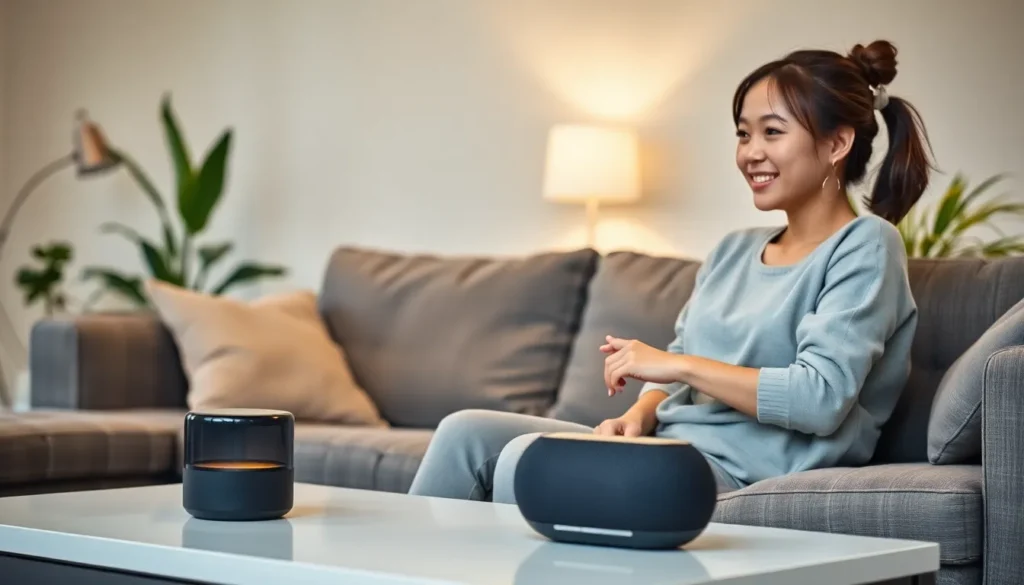

In a world where talking to your gadgets is the new norm, smart speakers have become the quirky sidekicks we never knew we needed. These devices don’t just play music or set timers; they’re revolutionizing how brands connect with consumers. With a simple “Hey, Google” or “Alexa, play my favorite song,” users invite businesses right into their living rooms, making smart speaker marketing an untapped goldmine.
Overview of Smart Speaker Marketing
Smart speakers represent a growing segment in the digital marketing landscape. These devices enable brands to create more engaging and interactive consumer experiences. Companies leverage voice search optimization, ensuring their content ranks well for audio queries.
In 2023, approximately 40% of households in the U.S. own a smart speaker, highlighting the significant presence of these devices. The increasing integration of smart speakers into daily life creates new avenues for personalized advertising. Businesses explore targeted voice advertising, aiming to reach consumers at home where they feel relaxed.
Developing skills or applications for smart speakers can enhance brand visibility. Optimized content creates value through voice-search capabilities, aligning closely with consumer preferences. Marketers utilize data analytics to understand user behavior and tailor messages accordingly.
Engaging consumers through voice interactions fosters brand loyalty. Many brands incorporate promotions via smart speakers, offering exclusive discounts or rewards. Generating traffic through smart speaker advertising can lead to increased sales and customer retention.
Moreover, the future of smart speaker marketing continues to evolve. Innovations in artificial intelligence enable more sophisticated interactions, making marketing efforts increasingly effective. Companies continuously adapt their strategies to take advantage of these advancements.
Investments in smart speaker technology highlight the importance of this marketing channel. As user adoption grows, businesses that harness this opportunity effectively will distinguish themselves in competitive markets.
The Rise of Smart Speakers
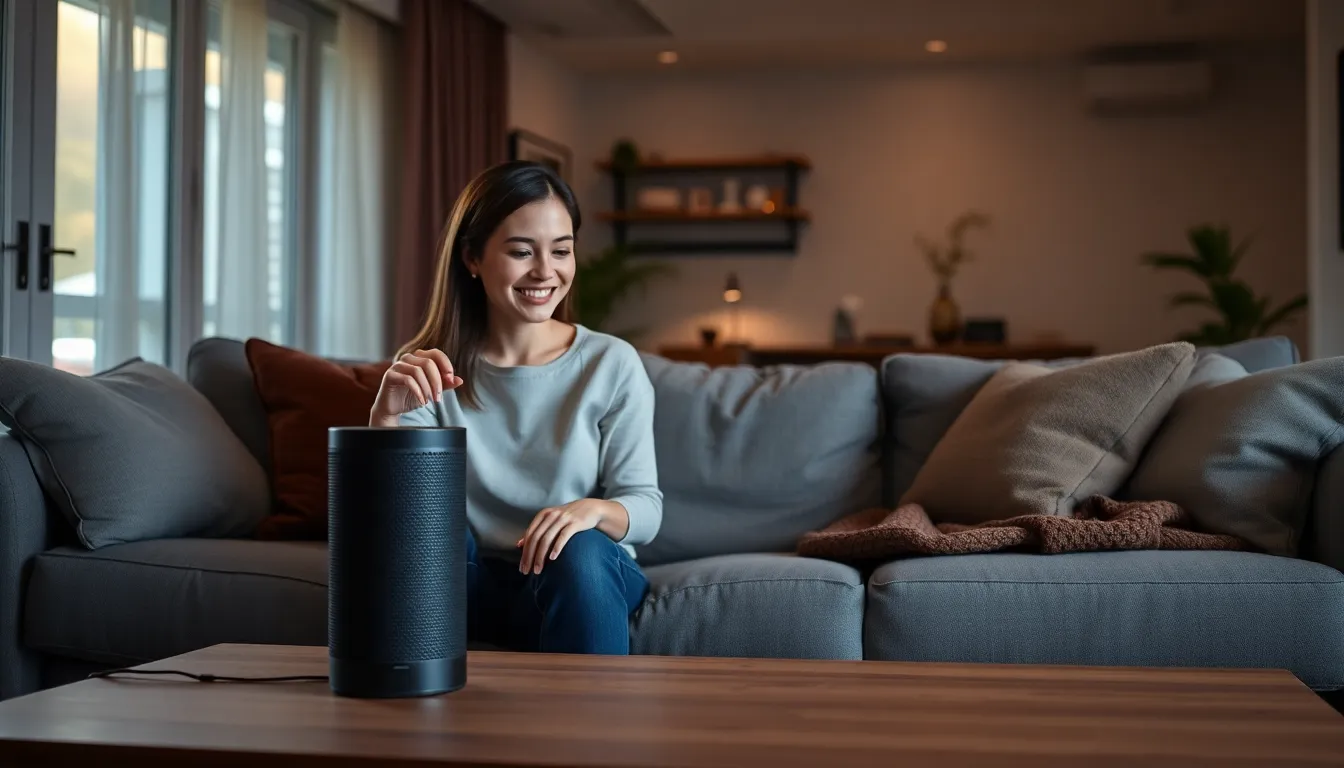
Smart speakers have become integral to daily life. Their adoption significantly impacts marketing strategies, transforming how brands interact with consumers.
Consumer Trends and Adoption Rates
Approximately 40% of U.S. households owned a smart speaker in 2023. Consumers enjoy the convenience of voice commands for tasks like controlling smart home devices and answering queries. With increasing familiarity, many individuals use smart speakers for shopping, which fosters new purchasing behaviors. Preferences lean towards personalized experiences, making targeted marketing increasingly relevant. User insights are crucial, as brands tailor their messages according to consumer responses. Brands that capitalize on this trend create engaging interactions, promoting brand loyalty and trust.
Major Players in the Market
Several key companies dominate the smart speaker landscape. Amazon Echo leads with its Alexa voice assistant, offering myriad features. Google Nest follows closely, providing seamless integration with Google services. Apple’s HomePod appeals to loyal customers with its high-quality audio and Siri capabilities. Smaller players are also emerging, contributing to market diversity. These companies continually innovate, enhancing user experience through new features and functionality. As competition intensifies, understanding each player’s strengths becomes vital for brands looking to utilize these platforms effectively.
Marketing Strategies for Smart Speakers
Smart speakers represent a transformative marketing channel, allowing brands to interact innovateively with consumers. Effective strategies leverage the unique features of these devices to enhance engagement.
Content Marketing Approaches
Content marketing thrives on smart speakers. Brands integrate informative audio content, delivering value through podcast-style formats or skill-based applications. Focused content resonates with user interests, encouraging interaction. Marketers ensure that messaging aligns with voice search optimization, making it easily discoverable. Engaging stories and useful tips capture attention and encourage repeat interaction, fostering loyalty. Utilizing data analytics, brands refine their content strategies, tailoring messaging to user preferences. This personalized approach builds a connection that drives brand recognition and long-term engagement.
Social Media and Influencer Marketing
Influencer marketing adapts well to smart speakers. Brands collaborate with influencers to create voice-driven campaigns, reaching audiences in immersive ways. Engaging influencers allows brands to tap into new demographics, encouraging followers to embrace smart speaker functionalities. Social media platforms serve as pathways for promoting voice skills, driving installations and interactions. By blending visual and auditory content, brands create a cohesive marketing strategy that amplifies reach. Interactive social media campaigns foster conversation about features, enhancing consumer experience. Marketers prioritize engagement, as this increases the likelihood of users recommending skills through their devices.
Challenges in Smart Speaker Marketing
Smart speaker marketing faces several challenges that can impact brand effectiveness in engaging consumers.
Privacy Concerns
Privacy stands as a significant issue in smart speaker marketing. Many users express worry about data collection and how their information gets stored. Concerns about unauthorized access can deter consumers from fully embracing these devices. Transparency builds trust. Marketers must prioritize clear communication about data usage and security measures. Compliance with regulations like GDPR safeguards user privacy. Companies demonstrating accountability in handling user data can foster a more favorable perception of their brand.
Competition and Market Saturation
The smart speaker market experiences intense competition and saturation. Major players like Amazon, Google, and Apple dominate the landscape, creating challenges for smaller brands. Differentiation becomes crucial for success. Brands must leverage unique features or services to stand out. Targeting niche markets enables smaller companies to establish a foothold. As more brands enter the space, innovative marketing tactics gain importance. Adapting to evolving consumer preferences helps brands remain relevant in a crowded marketplace.
Future Trends in Smart Speaker Marketing
Innovations in smart speaker marketing are rapidly changing how brands connect with consumers. Businesses explore advanced artificial intelligence applications to facilitate conversational interactions, refining user experiences.
Innovations on the Horizon
Emerging technology includes voice recognition advances, which enhance user engagement. Smart speakers will likely evolve with capabilities such as emotion detection, enabling personalized responses. Brands are expected to integrate augmented reality features, creating immersive campaigns that blend digital and physical experiences. New advertising models based on listener context may emerge, providing more relevant recommendations. Predictions suggest that smart speakers will facilitate seamless multi-channel shopping experiences, allowing users to interact across devices effortlessly.
Evolving Consumer Expectations
Growing user familiarity with smart speakers shapes new consumer habits. These users increasingly anticipate personalized interactions that cater to individual preferences. Voice search optimization becomes essential as customers seek efficient and relevant results. Demand for privacy-conscious solutions is rising, prompting brands to prioritize transparency regarding data usage. Increased reliance on voice shopping influences brand strategies, encouraging transparency and security in transactions. Heightened consumer expectations for intuitive, engaging experiences will reshape how businesses approach smart speaker marketing initiatives.
Smart speaker marketing is rapidly transforming the way brands connect with consumers. As these devices become integral to daily life, businesses must adapt their strategies to leverage voice technology effectively.
Innovative content and personalized interactions will be key in fostering brand loyalty and trust. By addressing privacy concerns and ensuring compliance with regulations, brands can create a more favorable perception among users.
As advancements in AI and voice recognition continue to evolve, the potential for engaging marketing campaigns will expand. Marketers who embrace these changes will not only stand out in a competitive landscape but also meet the growing expectations of consumers for intuitive and meaningful experiences.


