


Hair thinning can feel like a sneaky thief in the night, quietly stealing away confidence while you’re busy living your life. One day you’re flipping your luscious locks, and the next, you’re wondering if your hairbrush is auditioning for a role in a horror movie. But fear not! Understanding what hair thinning looks like can help you spot the signs early and take action before it becomes a full-blown crisis.
From the subtle widening of your part to the alarming appearance of your scalp, hair thinning manifests in various ways. It’s not just a “bad hair day” — it’s a signal that your hair needs a little extra love. So let’s dive into the world of hair thinning, demystify the signs, and arm you with the knowledge to tackle it head-on. After all, who wouldn’t want to keep their crowning glory in tip-top shape?
Understanding Hair Thinning
Hair thinning often leads to noticeable changes in hair appearance and texture. Identifying the underlying factors helps in addressing the issue effectively.
Common Causes of Hair Thinning
Genetics frequently play a significant role in hair thinning. Hormonal changes also contribute, especially during events like pregnancy or menopause. Nutritional deficiencies can lead to weakened hair, particularly deficiencies in iron and protein. Medical conditions such as alopecia or thyroid disorders often manifest through hair loss. Environmental factors like pollution and excessive styling can exacerbate the problem. Stress, both physical and emotional, impacts hair health significantly.
Signs to Look For
A widening part in the hair is one of the earliest signs of thinning. Noticeable scalp visibility, especially in certain lighting, can highlight the issue further. Hair strands may become finer and less dense, leading to a feeling of decreased volume. A general increase in hair shedding during washing or brushing might be observed. Receding hairlines also serve as an indicator of thinning. Changes in texture, such as brittleness or limpness, can accompany these signs.
Types of Hair Thinning
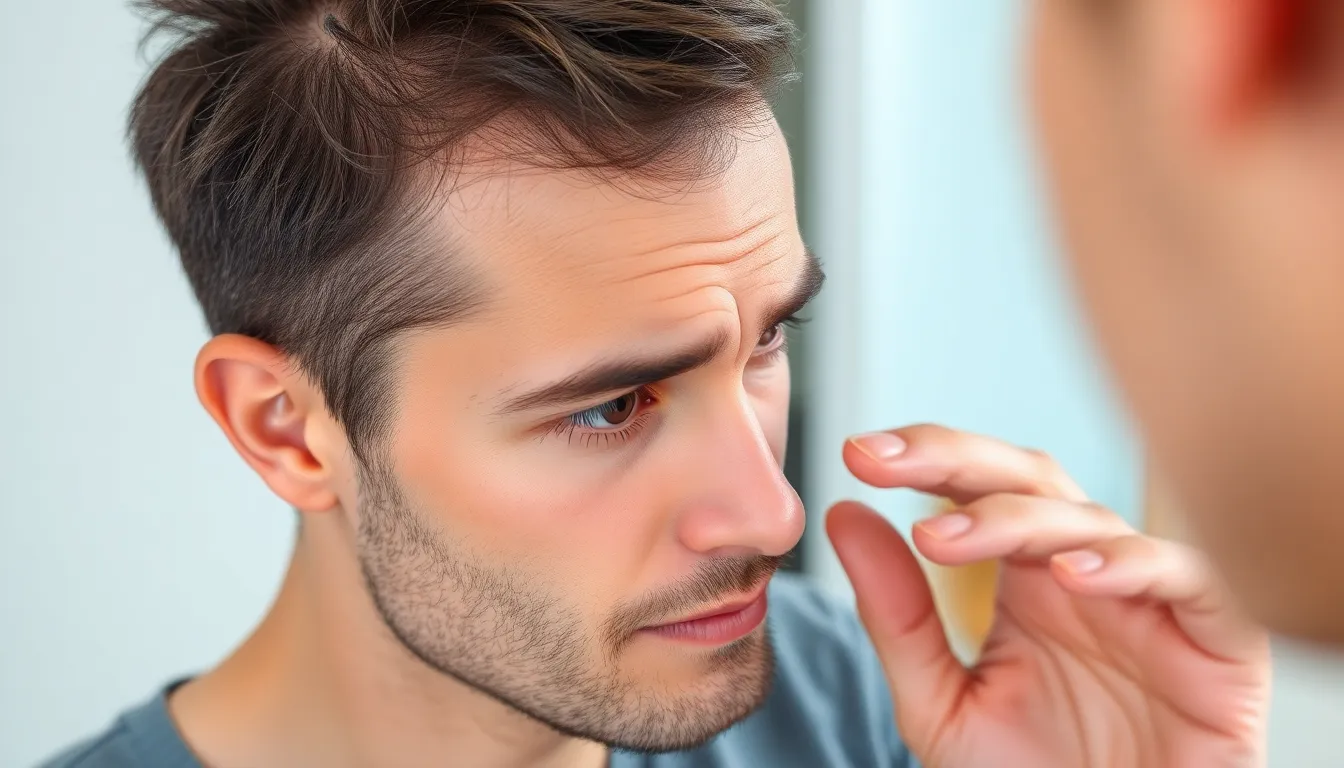
Understanding the various types of hair thinning helps in identifying the specific issue at hand. Different manifestations indicate different underlying causes.
Diffuse Thinning
Diffuse thinning occurs evenly across the scalp, affecting overall hair density. Individuals may notice a general reduction in volume, making the scalp more visible. This condition often stems from factors like hormonal changes, nutrient deficiencies, or stress. Increased shedding can also characterize diffuse thinning, with strands appearing on pillows or in hairbrushes. Treatment options include addressing the root cause, which might involve supplements, lifestyle adjustments, or topical treatments.
Pattern Baldness
Pattern baldness, also known as androgenetic alopecia, follows a distinct progression in both men and women. Men typically experience a receding hairline and thinning crown, while women often see broader part lines and overall thinning without a receding hairline. This hereditary condition is often distinct and progressive, influenced by genetics and hormonal levels. Recognizing the early signs can facilitate intervention and potentially slow down the process. Treatment options range from minoxidil applications to hair transplant surgeries.
Visual Indicators of Hair Thinning
Recognizing visual indicators of hair thinning helps individuals take proactive steps. Significant signs include changes in hair density and scalp visibility.
Changes in Hair Density
A noticeable decrease in hair density indicates thinning. Thinner patches may develop, particularly at the crown or temples. Increased space between strands becomes evident as hair falls out more easily. Individuals might also observe hair growing more slowly, accompanied by consistent shedding. The overall volume appears reduced, making it crucial to monitor these variations.
Scalp Visibility
Increased scalp visibility serves as a key indicator of hair thinning. Whether due to a widening part or a less dense crown, the scalp may start appearing more prominent. As hair follicles shrink, transparency becomes apparent, highlighting the scalp in specific areas. Finer hair may not adequately conceal the scalp, resulting in visibility that can impact self-image. Keeping an eye on these changes allows for timely interventions.
Coping With Hair Thinning
Individuals coping with hair thinning can explore various treatments and lifestyle adjustments to manage their condition effectively. Each approach plays a crucial role in maintaining hair health.
Effective Treatments
Minoxidil is a widely used topical solution that stimulates hair growth for both men and women. Prescription medications, like finasteride, work by blocking hormones that cause hair loss in men. Hair transplant surgeries provide a more permanent solution, moving healthy hair follicles to thinning areas. Laser therapy proves beneficial for some individuals, as it enhances blood circulation and promotes growth. Consulting a healthcare professional can help determine the most suitable treatment options based on individual needs and conditions.
Lifestyle Adjustments
Nutrition influences hair health significantly, so focusing on a balanced diet rich in vitamins and minerals is vital. Iron, zinc, and biotin are essential for promoting strong hair. Hydration matters, too; drinking sufficient water supports overall hair health. Reducing stress through practices like yoga or meditation fosters a calmer mindset which can also positively impact hair growth. Avoiding harsh hair products and excessive heat styling protects hair from additional damage. Implementing these lifestyle changes can lead to noticeable improvements in hair thinning over time.
Recognizing the signs of hair thinning is crucial for timely intervention and effective management. By understanding the various manifestations and types of hair thinning, individuals can take proactive steps to address the issue. From lifestyle adjustments to medical treatments, there are numerous options available to help maintain hair health and boost confidence. Staying informed and vigilant about changes in hair density and texture can make a significant difference. Embracing a holistic approach not only aids in managing hair thinning but also promotes overall well-being.


