


In the world of currency exchange, the Albanian lek and the euro dance a delicate tango, and understanding their relationship can be as tricky as finding a needle in a haystack. With Albania’s growing economy, keeping an eye on the lek to euro exchange rate isn’t just smart; it’s essential for travelers, investors, and anyone who loves a good financial adventure.
Overview of Albanian Lek to Euro Exchange Rate
The exchange rate between the Albanian lek and the euro reflects Albania’s economic dynamics. Currently, 1 euro exchanges for approximately 117 Albanian lek. This rate fluctuates due to various factors, including inflation, interest rates, and economic developments in Albania and the Eurozone.
Travelers should note that while the official exchange rate provides a benchmark, local currency exchanges may charge different rates. Investors monitor these rates closely, adjusting their strategies based on economic forecasts and currency trends.
Historical trends indicate that the lek has experienced depreciation against the euro over the last decade. For instance, the rate in 2013 stood at around 140 lek per euro, highlighting a significant improvement in Albania’s currency value over time.
Forecasting future trends remains complex. Experts suggest that economic reforms and increased foreign investments may strengthen the lek further, depending on regional economic stability. In contrast, global economic challenges could lead to volatility, impacting cross-border trade and investments.
Merchants and service providers often adopt the euro for transactions, making it important for consumers to understand this exchange rate. An understanding of this currency relationship aids in making informed financial decisions, whether for travel, investments, or business operations.
Overall, maintaining awareness of the Albanian lek to euro exchange rate plays a crucial role for individuals and businesses involved in or considering operations within Albania. Monitoring reliable financial news sources ensures access to the latest exchange rate information and trends.
Historical Trends
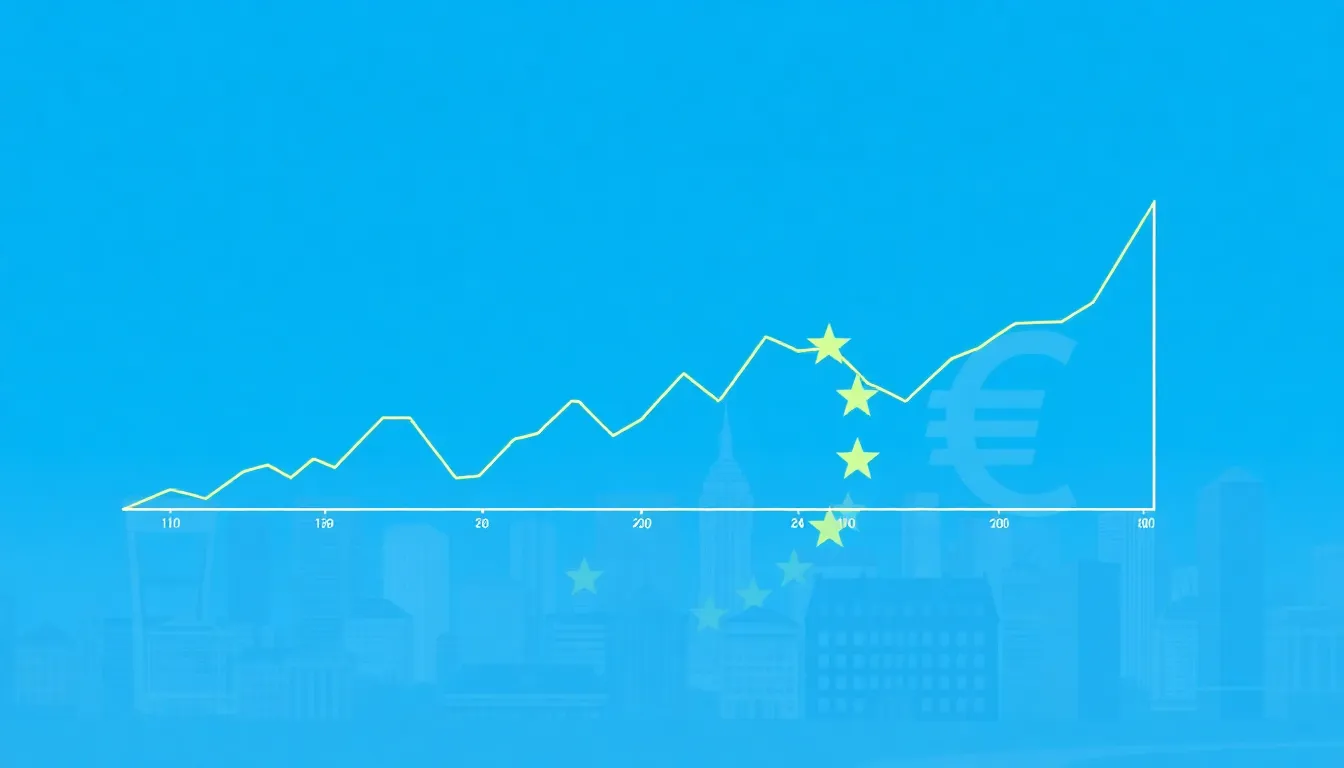
The exchange rate between the Albanian lek and the euro has demonstrated notable trends over time. Recent data indicates that the lek has strengthened, shifting from approximately 140 lek per euro in 2013 to about 117 lek in current exchanges.
Exchange Rate Fluctuations Over Time
Exchange rates can show significant fluctuation due to various economic indicators. The lek’s value experienced volatility during periods of economic uncertainty. For instance, significant adjustments often take place in alignment with local and eurozone economic shifts. Comparatively, the euro generally remains stable, influencing the lek’s performance against it. Historical data underscores these changes, showing a gradual improvement in the lek’s position over the past decade. Observing these fluctuations provides insights into future trends.
Major Factors Influencing Changes
Several factors influence the lek’s exchange rate against the euro. Inflation rates play a crucial role, with higher rates typically depreciating the currency. Interest rates affect investment flows, with competitive rates attracting foreign investments. Furthermore, Albania’s economic reforms and increasing foreign investments strengthen the lek over time. Political stability and government policies also contribute to fluctuations. Economic developments in the Eurozone can prompt changes in investor confidence, impacting the exchange rate further. Understanding these factors equips individuals with the knowledge necessary for financial transactions.
Current Exchange Rate Analysis
Understanding the current exchange rate between the Albanian lek and the euro remains crucial for financial decisions. Presently, the exchange rate sits around 117 lek for one euro, a significant improvement from 140 lek per euro recorded in 2013.
Recent Rates and Trends
Recent fluctuations in the exchange rate showcase the lek’s gradual strengthening against the euro. Data indicates that the rate improved steadily over the last decade. In 2022, for instance, rates frequently hovered between 115 and 120 lek per euro. Seasonal tourism and foreign investment often drive temporary spikes, highlighting the importance of monitoring market conditions.
Economic Indicators Impacting Exchange Rate
Several economic indicators closely relate to the lek’s exchange rate stability. Inflation rates play a significant role, affecting purchasing power and currency value. Interest rates set by the Bank of Albania also influence the lek’s strength; higher rates typically attract foreign investments. Political stability remains crucial as well, providing confidence to investors and contributing to currency strength. Government policies promoting economic reforms can further bolster the lek against the euro, fostering a healthier exchange rate environment.
Currency Conversion Methods
Understanding how to convert Albanian lek to euro can simplify financial transactions in Albania. Several effective methods exist for currency conversion, each with unique features.
Online Currency Converters
Online currency converters offer a quick and convenient way to check current exchange rates. Users can access real-time data, calculating how much lek corresponds to euros instantly. Examples include XE and OANDA, which provide accurate rates based on market fluctuations. Many of these platforms also feature historical data, allowing users to analyze trends over time. While online converters are generally reliable, users should verify rates with local entities before concluding transactions.
Banks and Financial Institutions
Banks and financial institutions provide safe and regulated options for currency exchange. Typically, they offer services for both consumers and businesses. Current exchange rates may slightly differ from online sources, reflecting processing fees or institutional limitations. Credit unions and local banks often feature competitive rates, ensuring customers get favorable exchanges. During high-demand periods, such as tourist seasons, exchange rates may fluctuate due to increased activity. Checking rates in advance can yield better results for conversions.
Future Predictions
Economic reforms and increased foreign investments could lead to a stronger Albanian lek in the near future. Experts note that as these reforms take shape, they may boost investor confidence and enhance currency stability. Expectations indicate that if Albania continues improving its economic conditions, the lek could further strengthen against the euro.
Inflation rates, interest rates set by the Bank of Albania, and overall political stability will likely remain key factors affecting the exchange rate. Should political conditions stabilize, investor sentiment may shift positively, further supporting the lek’s performance.
Forecasts suggest that ongoing trends of seasonal tourism and strategic foreign investments may keep the exchange rate between 115 and 120 lek per euro. This range reflects a positive shift from the rates in 2013 when 1 euro equaled approximately 140 lek. Monitoring these trends is crucial, especially as global economic conditions may introduce unforeseen volatility.
Currency exchange platforms will continue offering crucial insights into real-time rates. Travelers and merchants should regularly consult platforms like XE and OANDA for accurate data. Despite fluctuations during peak tourist seasons, staying informed will allow for better exchange outcomes.
Individuals looking to convert lek to euro can benefit from the various conversion methods available. Restaurants and businesses that operate in euros make understanding this exchange essential. Continued observation and analysis of reliable financial news sources ensure that both consumers and investors remain updated on the latest economic developments.
Understanding the exchange rate between the Albanian lek and the euro is crucial for anyone engaging with Albania’s economy. As the lek continues to show signs of strengthening, staying informed about current rates and economic factors is essential. Travelers and investors alike should keep an eye on fluctuations driven by tourism and foreign investments. By utilizing reliable currency converters and monitoring local exchange rates, individuals can ensure they make informed financial decisions. The future looks promising for the Albanian lek, but awareness of ongoing economic developments will remain key to navigating this dynamic landscape.


